AIF is the operating layer for governed intelligence work
Connect cases, evidence, agents, Skills, collection, ontology, workwalls and Solutions in a deployable infrastructure layer built for regulated missions.
Agentic Intelligence Fabric™
The AIF layer model
The platform is organized around the controls buyers actually ask for: deployment boundaries, case context, evidence persistence, runtime governance, capabilities, correlation and packaged Solutions.
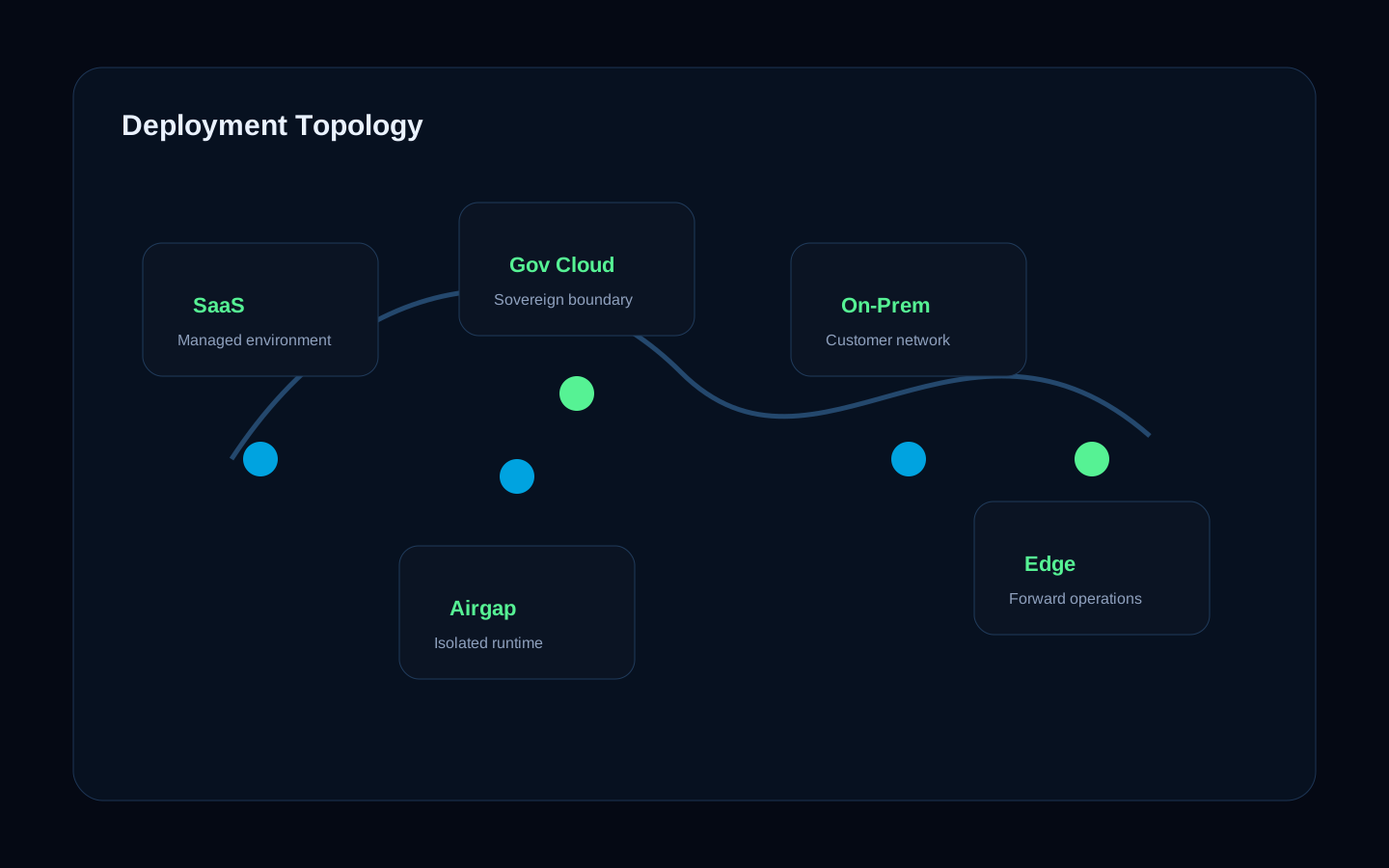
Deployment Layer
Places the same operating model inside the environment the mission can actually use: SaaS, government cloud, on-prem, airgapped, local AI, or edge.
Case and Operations Layer
Gives teams one operational context for case chat, assignments, sources, dashboards, reviewer notes, exports and permissions.
Evidence and Storage Layer
Turns files, tool results, generated reports, logs and reviewer decisions into persistent artifacts with provenance and replay paths.
Agentic Runtime Layer
Controls agent behavior through orchestrator decisions, capability routing, tool policies, plan mode and human approval.
Capability Layer
Turns internal services, MCP servers, blueprints, pods and external tools into governed Skills that can be authorized per case and role.
Correlation Layer
Moves findings beyond text output into ontology, workwalls, memory, graph views, taxonomies and timelines.
Solution Layer
Packages domain workflows, dashboards, data access, Skills and governance defaults into installable mission Solutions.
Product view
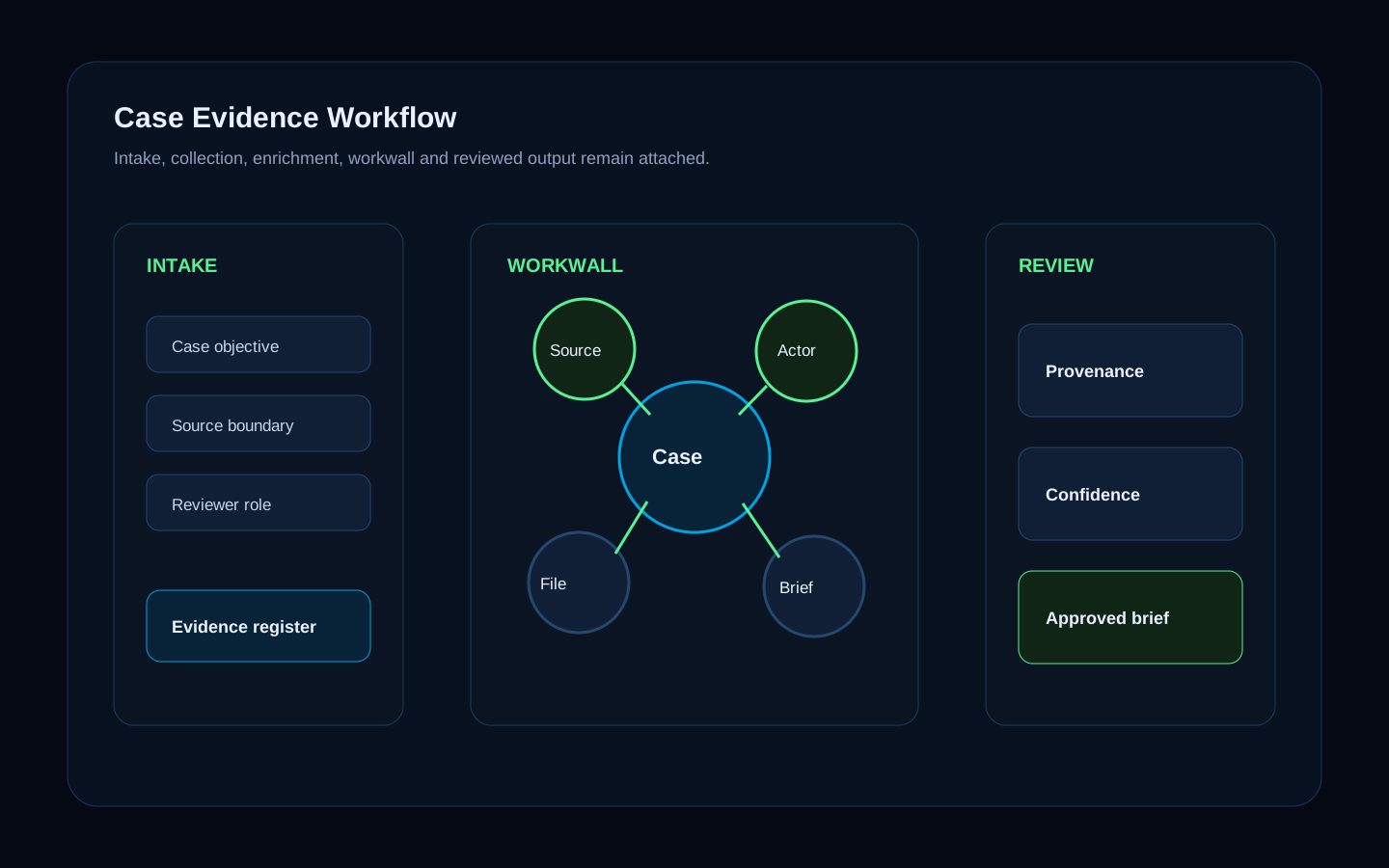
Cases are the operational unit
AIF keeps prompts, tools, sources, findings, reviewer notes, workwall updates and reports attached to a case rather than scattering them across separate systems.
Case model
Chat, files, tasks, data and permissions
Evidence
Tool outputs and reports become artifacts
Review
Analyst decisions stay visible
CASE TO EVIDENCE FLOW
Every output remains attached to the case
Product view
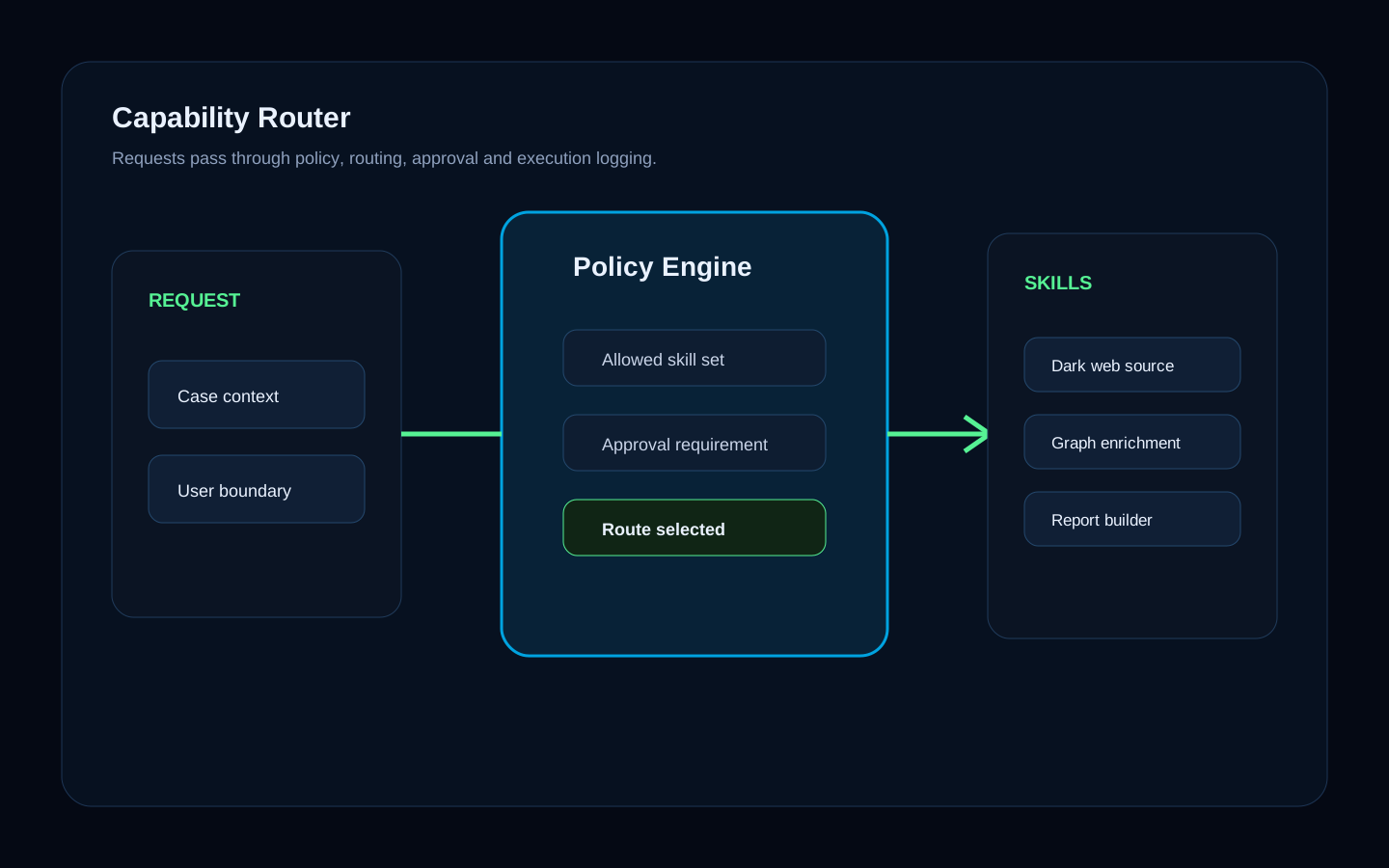
Capability routing turns tools into governed Skills
AIF routes requests to authorized Skills, blocks wrong-tool execution patterns, logs tool calls and preserves outputs in the case context.
Skill model
Internal services, MCP, blueprints and pods
Controls
Classification, policy and approval gates
Output
Evidence, workwall nodes and reports
CAPABILITY ROUTER
Requests pass through policy before tools execute
NOT CHAT-FIRST
Case-first operations
A case contains chats, files, data sources, assignments, reports, dashboards, ontology, workwalls and access control.
OUTPUTS BECOME ARTIFACTS
Evidence persistence
Agent outputs, tool results, logs and reports are stored as reviewable operational artifacts rather than transient chat text.
VISUAL AND SEMANTIC GRAPH
Workwalls and ontology
Findings can move from tool outputs into graph views, timelines, taxonomy and reusable knowledge structures.
BEYOND PLUGINS
Solution packaging
Solutions can bring Skills, dashboards, CRUD functions, data access and workflows into customer environments.
Product view
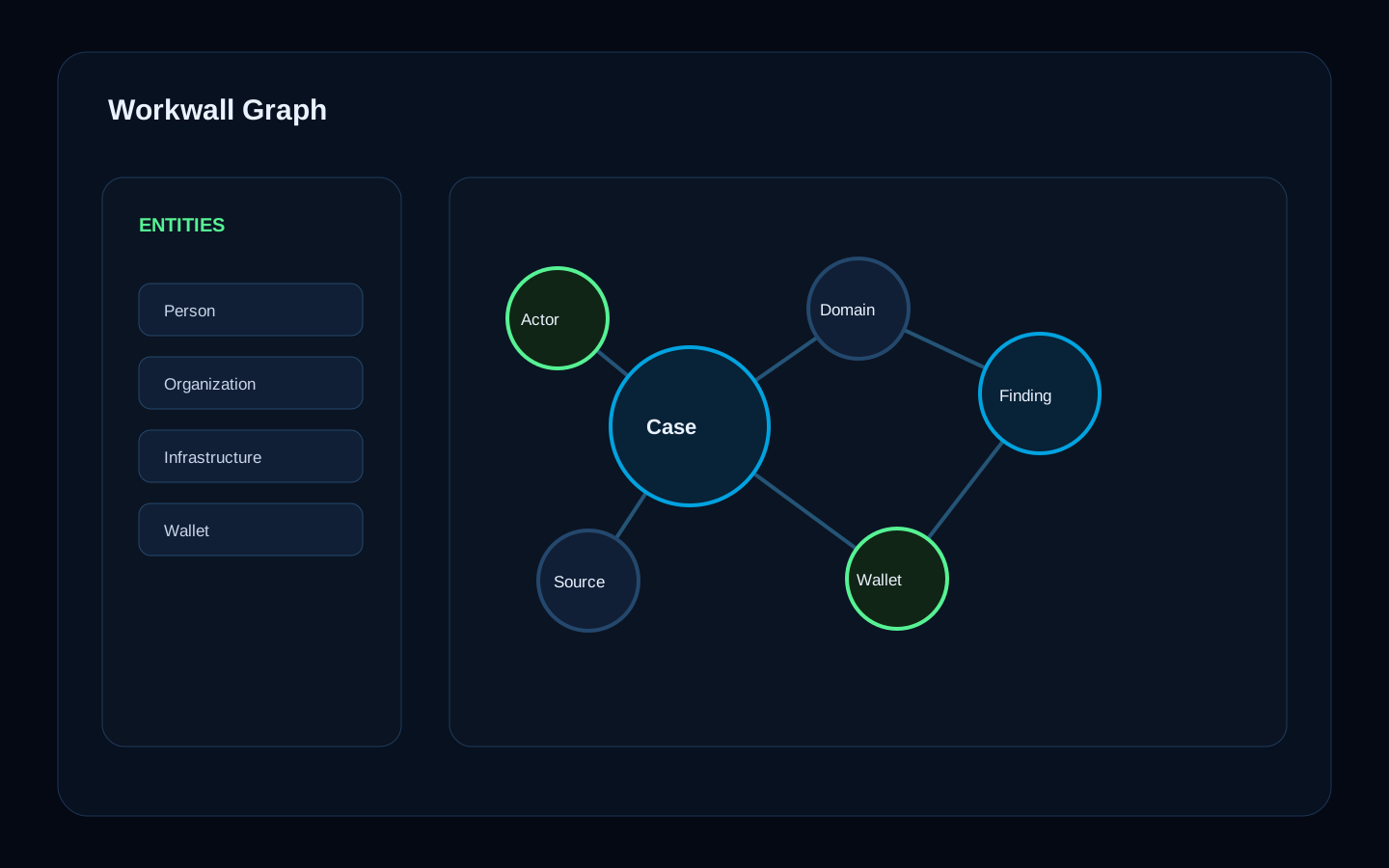
Correlation is a first-class layer
Analysts need to move from findings to structure. Workwalls, ontology, graph views and taxonomy make generated output usable inside operational analysis.
Graph
People, domains, wallets, accounts and reports
Taxonomy
Reusable intelligence categories
Memory
Case context without uncontrolled leakage
WORKWALL AND ONTOLOGY
Findings become graph context
Product view
Deployment follows the mission boundary
AIF can be positioned for SaaS, government cloud, on-prem, airgapped, local AI and edge deployment patterns. Specific capability parity is verified per deployment.
Sovereignty
Data residency and local control patterns
Isolation
Airgapped and on-prem options
Field use
Portable analysis where connectivity is constrained
DEPLOYMENT TOPOLOGY
Same operating model, different sovereignty boundaries