Controlled AI. Real results.
Control is built in, not added later
Arqent controls what operators may do, checks what they deliver and records how every result came about – so you can hand over real work without losing oversight.
Trust model
How Arqent keeps operators under control
Controls apply at runtime – to every operator, every tool call and every result.
Operator control
Operators act through governed tools, not through prompts.
- Tool policies
- Approval gates
- Revocable standing approvals
- Budgets and limits
Independent checks
Results count only after a separate review confirms them.
- Blind review run
- Fixed criteria
- Human sign-off
Evidence
Results stay linked to where they came from.
- Source links
- Tool call history
- Audit trail
- Exports
Access
Need-to-know across teams, roles, projects and cases.
- Roles and teams
- Project and case boundaries
- Classification levels
- Tenant isolation
Deployment and models
Runs where your data boundary requires, with the model provider you choose.
- SaaS
- On-premises
- Airgapped
- Local or external models
Data protection and AI regulation
Built-in tools for your compliance work.
- AI inventory for the EU AI Act
- GDPR export and deletion receipts
- Audit export
Product view
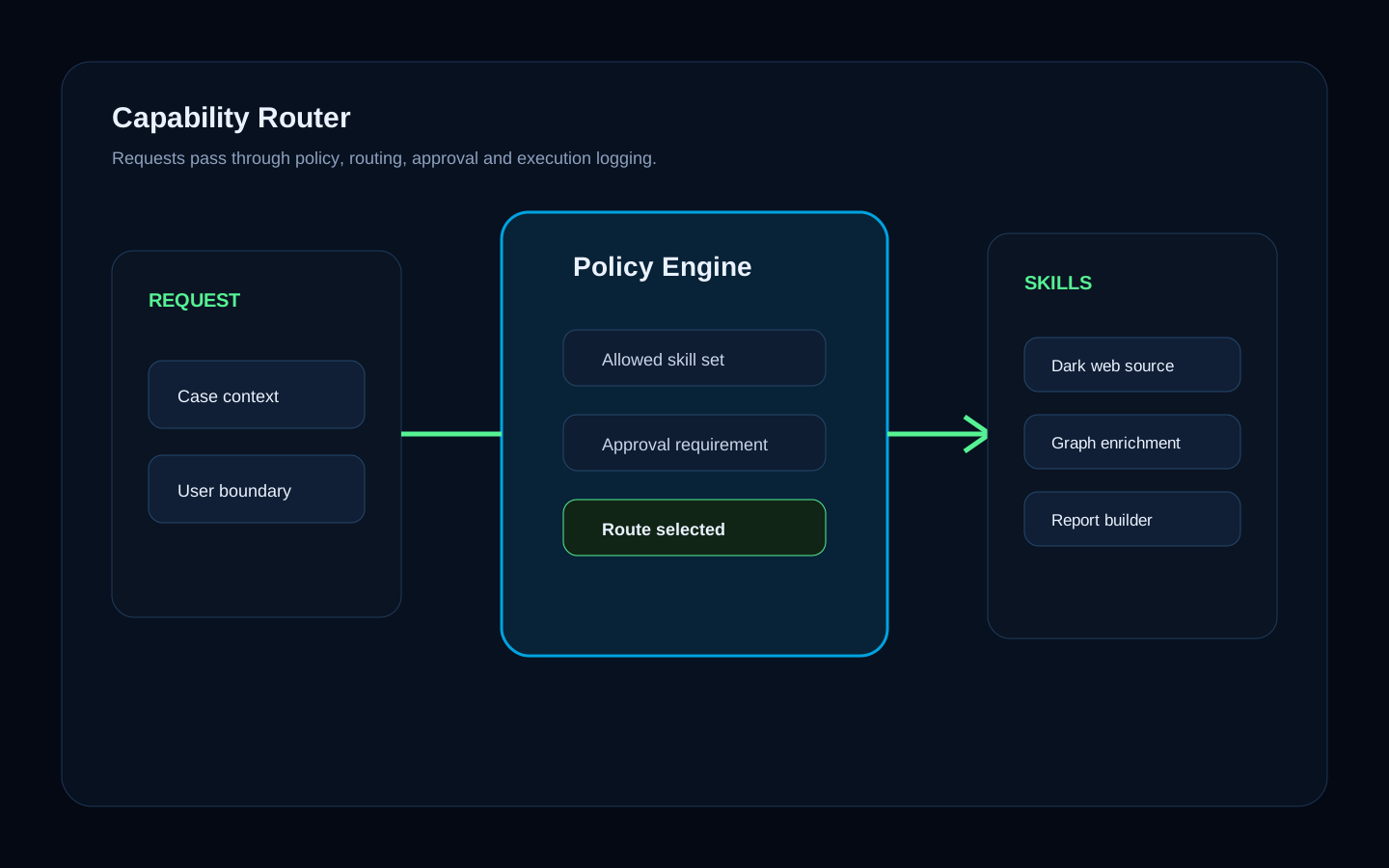
Every action passes a policy before it runs
Tool access, approval requirements and logging happen at runtime. That is the difference between a prompt that asks nicely and a control that holds.
Policies
Role, project or case and classification checks
Approvals
A person decides where it matters
Logs
Every tool call kept for review
TOOL GOVERNANCE
Every tool call passes a policy first
Product view
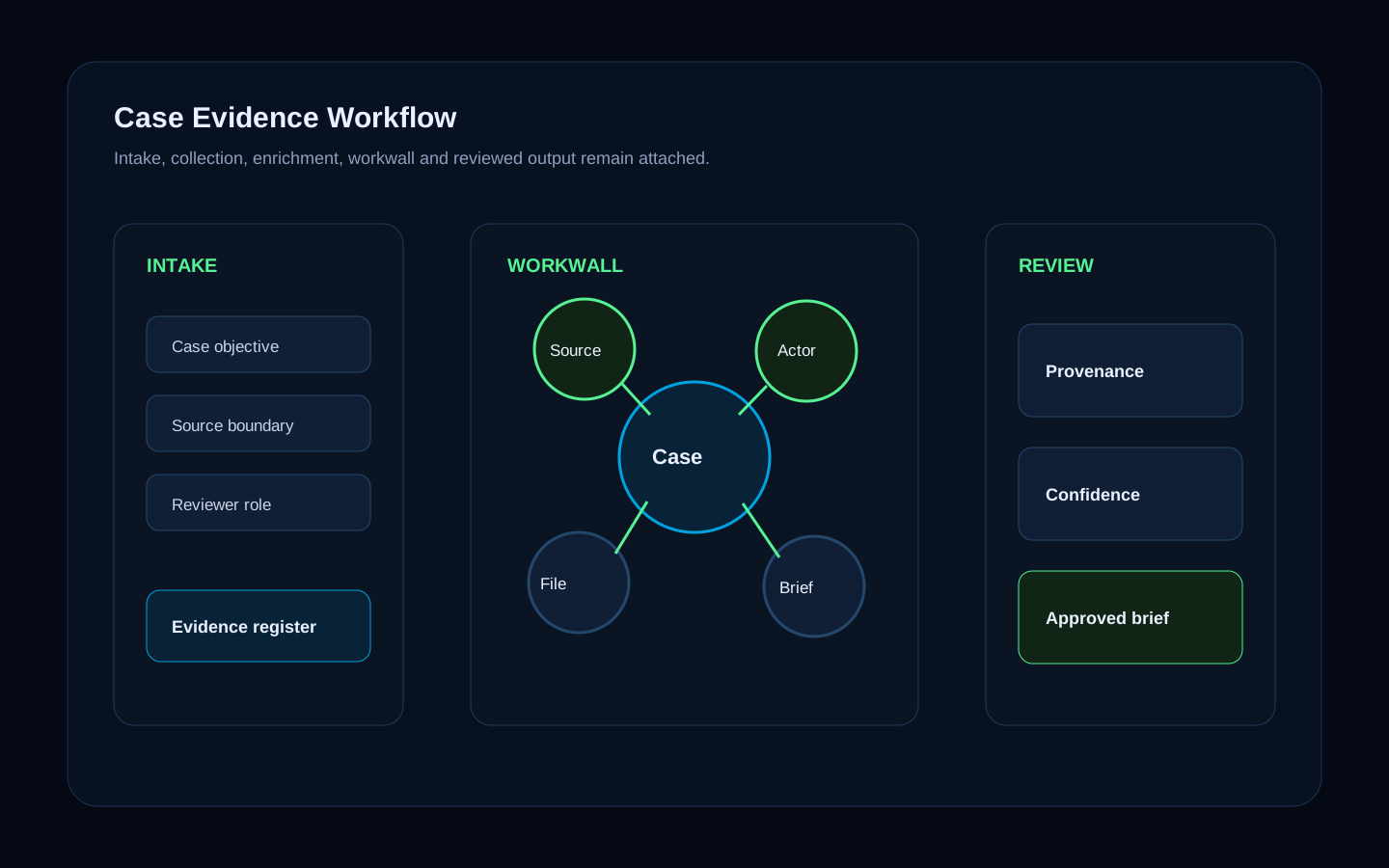
Evidence stays attached to the work
Files, tool calls, generated reports, graph changes and review decisions remain part of the project or case.
Evidence
Artifacts and generated reports
History
Tool activity and execution history
Review
Independent checks and human approval
EVIDENCE TRAIL
Every result stays linked to its sources
Product view
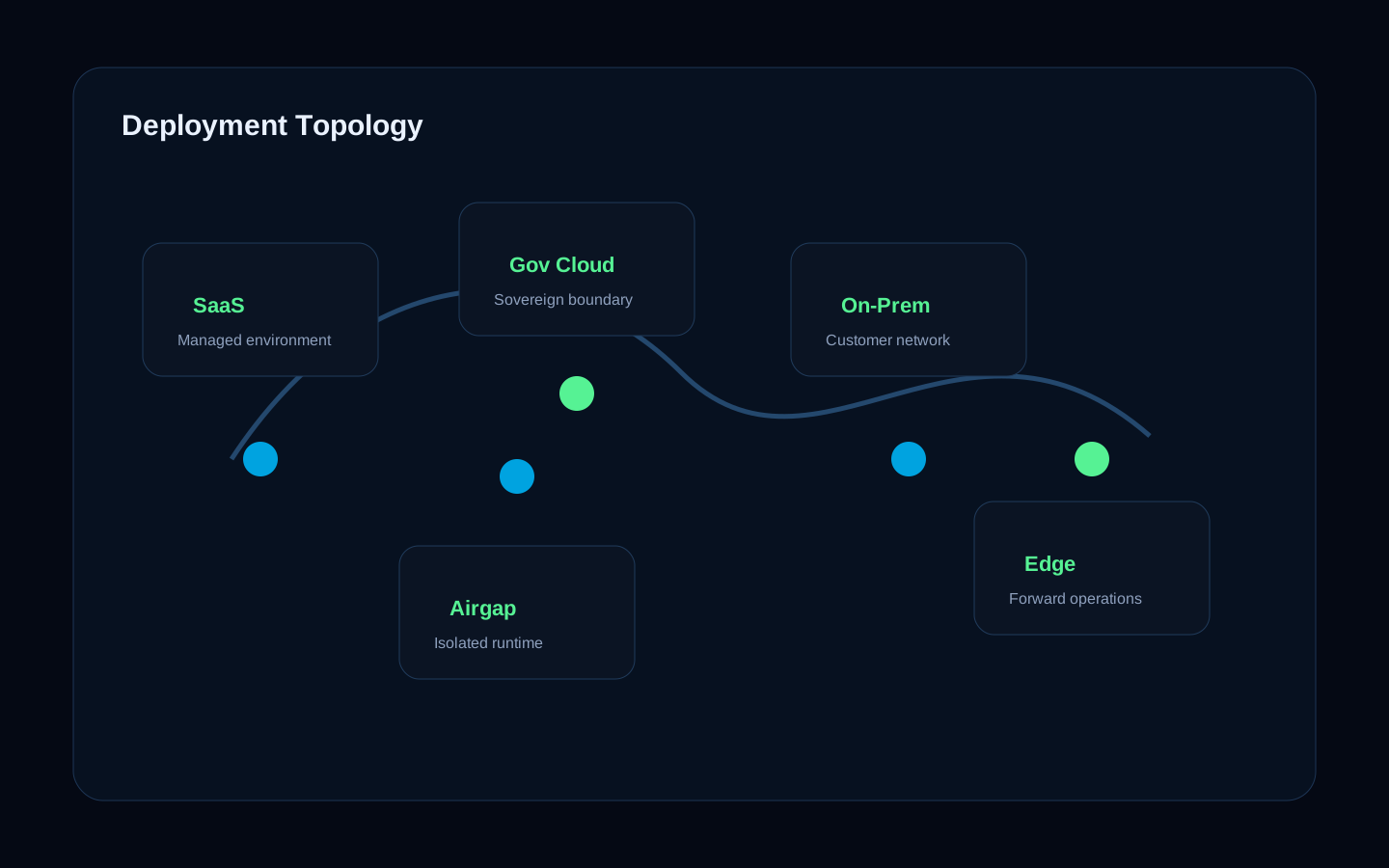
Your boundary, your models
We are not a model provider. You choose local models for on-premises and airgapped operation or external providers for SaaS – Arqent applies the same controls either way.
SaaS
Operated by us, ready quickly
On-premises
In your data center, under your rules
Airgapped
No outside connection, local models
Models
Local or external – your choice
DEPLOYMENT
Same platform, your data boundary